Research Data
-
Data Diversity Podcast #5 – Abdulwahab Alshallal
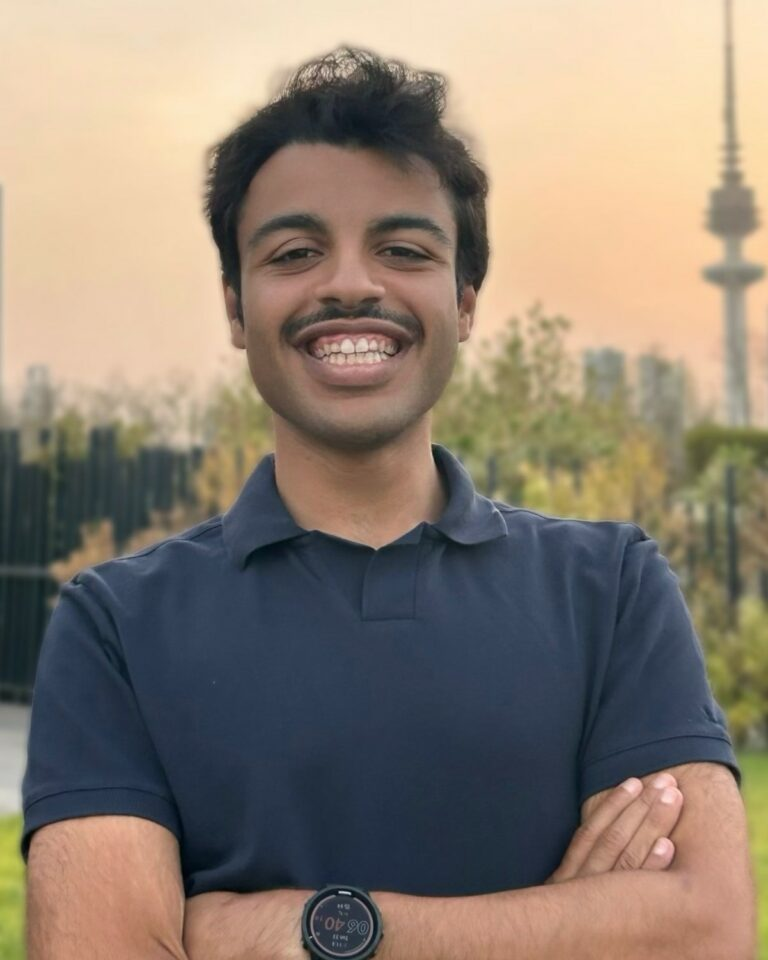
Welcome back to another edition of the Data Diversity Podcast, the Research Data podcast from the University of Cambridge Office of Scholarly Communication (OSC). If this is your first time here, in this podcast, I speak to Cambridge Data Champions about their journeys in acquiring and working with data in their research, with the hope to highlight interesting facets of data work, but also academic research in general. In this episode, I spoke to Cambridge PhD student Abdulwahab Alshallal, from the MRC Epidemiology Unit, and who is part of the Physical Activity Epidemiology research group. Currently for his PhD, he is exploring associations of physical activity, behaviour and fitness…
-
Data Diversity Podcast (#4) – Dr Stefania Merlo (2/2)
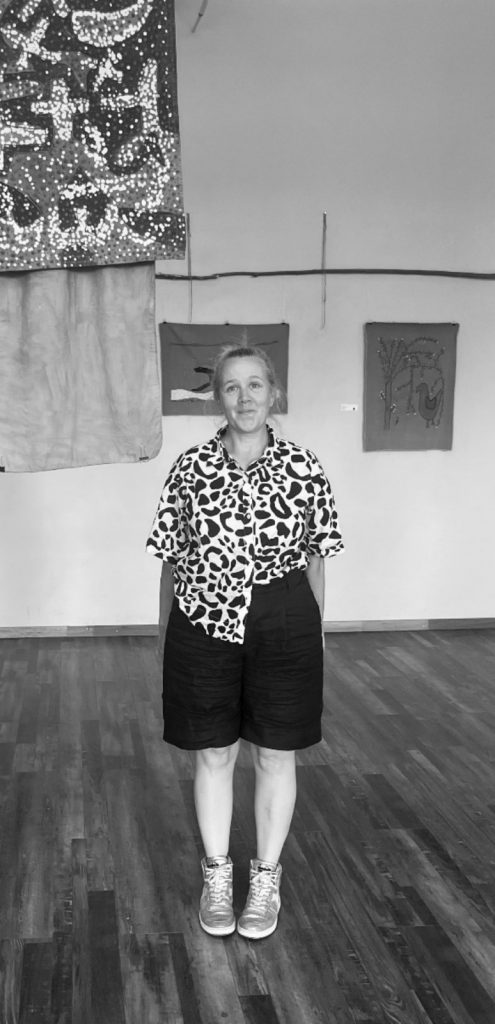
We return with another post featuring our Data Diversity conversation with University of Cambridge Data Champion, archaeologist Dr Stefania Merlo from the McDonald Institute of Archaeological Research, the Remote Sensing Digital Data Coordinator and project manager of the Mapping Africa’s Endangered Archaeological Sites and Monuments (MAEASaM) project and coordinator of the Metsemegologolo project. This post is short in word count but not in importance, as it touches on two reflections on the challenges of data management as a researcher who works in a global context, two aspects of present-day academia that may be relevant to many readers. This edition follows on from the previous post where Stefania talks about the challenges of extending UK-based Open…
-
The Research Data Sustainability Workshop – November 2024
The rapid advance of computing and data centres means there is an increasing amount of generated and stored research data worldwide, leading to an emerging awareness that this may have an impact on the environment. Wellcome have recently published their Environmental sustainability policy, which stipulates that any Wellcome funded research projects must be conducted in an environmentally sustainable way. Cancer Research UK have also updated their environmental sustainability in research policy and it is anticipated that more funders will begin to adopt similar policies in the near future. In November we held our first Research Data Sustainability Workshop in collaboration with Cambridge University Press & Assessment (CUP&A). The aim was…
-
Data Diversity Podcast (#4) – Dr Stefania Merlo (1/2)
Welcome back to the fourth instalment of Data Diversity, the podcast where we speak to Cambridge University Data Champions about their relationship with research data and highlight their unique data experiences and idiosyncrasies in their journeys as a researcher. In this edition, we speak to Data Champion Dr Stefania Merlo from the McDonald Institute of Archaeological Research, the Remote Sensing Digital Data Coordinator and project manager of the Mapping Africa’s Endangered Archaeological Sites and Monuments (MAEASaM) project and coordinator of the Metsemegologolo project. This is the first of a two-part series and in this first post, Stefania shares with us her experiences of working with research data and outputs that…
-
5000 datasets now in Apollo
Written by Clair Castle, Dr Kim Clugston, Dr Lutfi Bin Othman, Dr Agustina Martínez-García. How the ‘second life’ of datasets is impacting the research world. Researchers share their stories. “Research data is the evidence that underpins all research findings. It’s important across disciplines: arts, humanities, social sciences, and STEMM. Preserving and sharing datasets, through Apollo, advances knowledge across research, not only in Cambridge, but across the world – furthering Cambridge’s mission for society and our mission as a national research library.” Dr Jessica Gardner, University Librarian & Director of Library Services The research data produced and collected during research takes many different forms: numerical data, digital images, sound recordings, films,…
-
Data Diversity Podcast #2 – Dr Alfredo Cortell-Nicolau
In our second instalment of the Data Diversity Podcast, we are joined by archaeologist Dr Alfredo Cortell-Nicolau, a Senior Teaching Associate in Quantitative and Computational Methods in Archaeology and Biological Anthropology at the McDonald Institute for Archaeological Research and Data Champion. As is the theme of the podcast, we spoke to Alfredo about his relationship with data and learned from his experiences as a researcher. The conversation also touched on the different interpersonal, and even diplomatic, skills that an archaeologist must possess to carry out their research, and how one’s relationship with individuals such as landowners and government agents might impact their access to data. Alfredo also sheds light on…
-
Formatting the Future: Why Researchers Should Consider File Formats
Dr Kim Clugston, Research Data Coordinator, OSC Dr Leontien Talboom, Technical Analyst, Digital Initiatives Many funders and publishers now require data to be made openly available for reuse, supporting the open data movement and value for publicly funded research. But are all researchers aware of why they are being asked to share their data and how to do this appropriately? When researchers deposit their research data into Apollo (the University of Cambridge open access repository) they generally understand the benefits of sharing data and want to be a part of this. These researchers provide their data in open file formats accompanied by rich metadata so the data has the best…
-
The (exponential) thirst for data – The March 2024 Data Champions forum
The Data Champions were treated to a big data themed session for the March Data Champion forum, hosted at (and sponsored by) the Cambridge University Press and Assessment in their amazing Triangle building. First up was Dr James Fergusson, course director for the MPhil in Data Intensive Science, who described how the exponential growth in data accumulation, computing and artificial intelligence (A.I.) capabilities has led to a paradigm shift in the world of cosmological theorisation and research, potentially changing with it scientific research as a whole. As he explained, over the last two decades cosmologists have seen a rapid increase of data points on which to base their theorisation –…
-
Dear Data,…
Valentine’s day week for the international data community is not only a time for expressing your love to the significant others in your life. As it is also Love Data Week, it is also a time to reflect on your love for all things data! That was the goal for the Research Data team this year! The theme of this year’s Love Data Week was “My Kind of Data”, suggesting that data workers – researchers and analysts alike – have a relationship to data that is personal, often idiosyncratic, and almost always heartfelt. The Research Data team, as supporters of the University’s researchers, are interested in such relationships and are…
-
Mapping the world through data – The November 2023 Data Champion Forum
The November Data Champion forum was a geography/geospatial data themed edition of the bi-monthly gathering, this time hosted by the Physiology department. As usual, the Data Champions in attendance were treated to two presentations. Up first was Martin Lucas-Smith from the Department of Geography who introduced the audience to the OpenStreetMap (OSM) project, a global community mapping project using crowdsourcing. Just as Wikipedia is for textual information, OSM results in a worldwide map created by everyday people who map the world themselves. The resulting maps can vary in terms of its focus such as the transport map, which is a map which shows public transport lanes like railways, buses and…